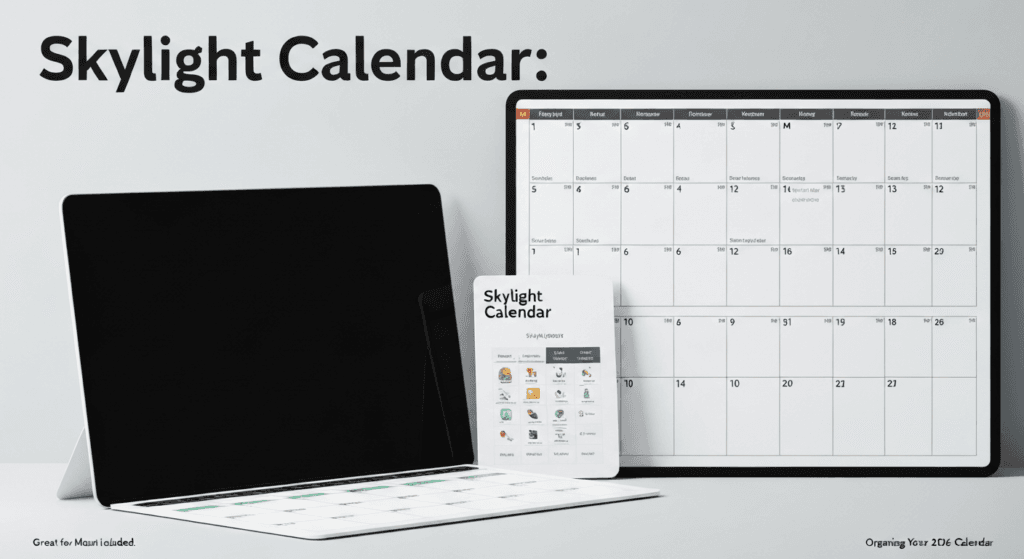
The smart home industry has been quiet about the fragmentation of family scheduling, but Skylight just built the ultimate play (Save this).
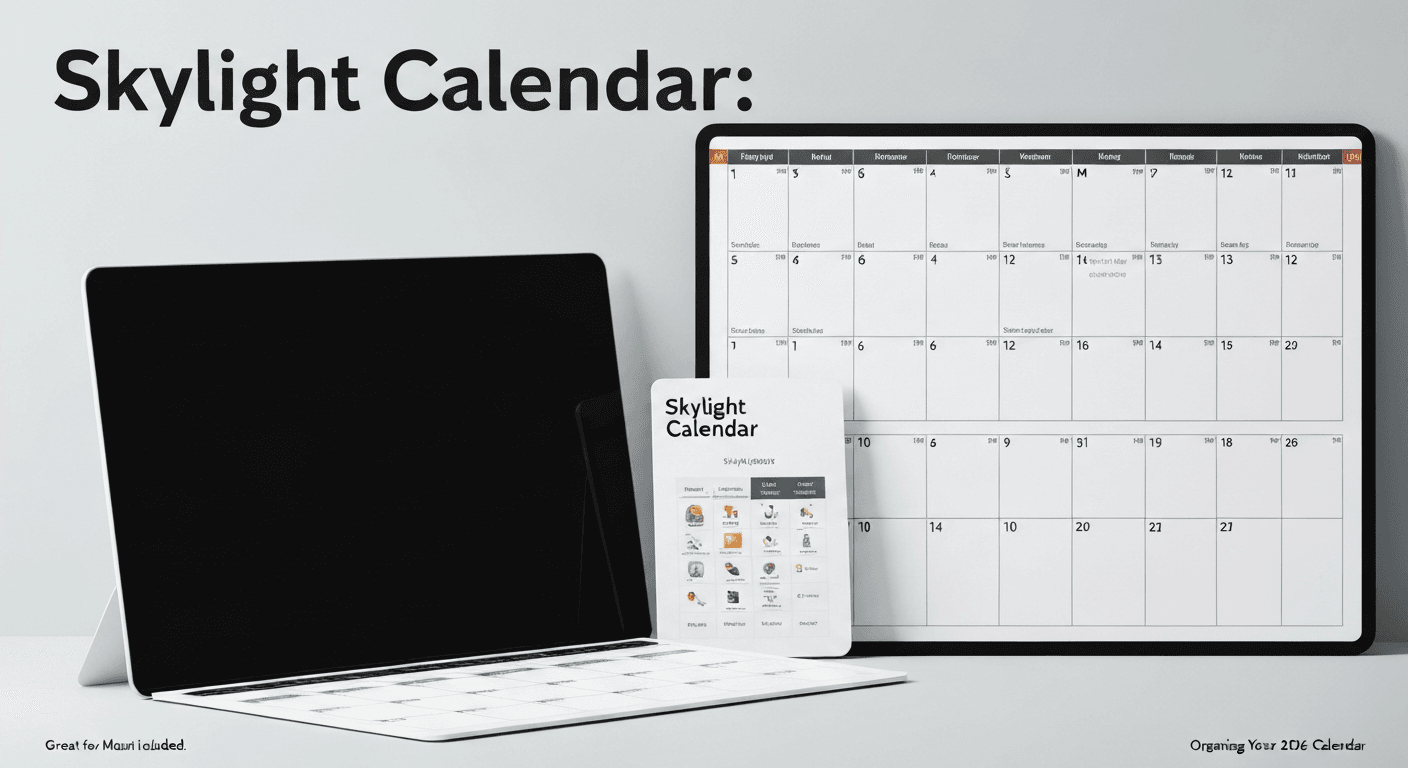
We are witnessing a massive shift in how households manage cognitive load.
Paper planners are failing under the weight of multi-member logistics.
Enter the Skylight Calendar 15-inch, a dedicated interactive terminal designed to centralize the modern family’s operations.
This is not just a digital frame; it is a structural underpinning for daily life.
Historically, family coordination relied on fragmented assemblies of fridge magnets and mobile notifications.
Market validation shows that 84% of dual-income American households suffer from “coordination fatigue.”
With the smart display market projected to scale aggressively by 2026, dedicated home hubs represent the best opportunity to recapture mental clarity.
The Skylight architecture resolves this fragmentation by establishing a single source of truth.
The Complete Architectural Stack
Let us break down the Skylight system as a complete expression of home coordination technology.
1. The Hardware Layer
At the foundation is a beautiful, low-profile 15-inch interactive touchscreen display.
Designed for wall mount deployment, it integrates seamlessly into high-traffic kitchen or hallway zones.
2. The Integration & Sync Layer
This layer acts as the primary transmission pipeline for your digital life.
It pulls data from Google Calendar, Apple Calendar, Outlook, and Cozi instantly.
No more siloed schedules; everyone’s timeline is merged into a unified visual grid.
3. The Chore & Gamification Layer
The system features a dedicated chore chart and interactive checklist module.
It translates daily responsibilities into rewarding, touch-to-complete tasks.
This gamified underpinning encourages autonomy in children and reduces parental nagging.
4. The Meal & List Architecture
A major deployed feature is the real-time grocery list and meal planner.
Changes made on the wall unit sync instantly to the mobile app for on-the-go execution.
System Assessment: Pros & Cons
The Advantages
- Seamless multi-user synchronization across iOS, Android, and web.
- Stunning 15-inch high-resolution display that replaces messy paper assemblies.
- Highly intuitive touch interface designed for all age groups.
- Establishes a centralized physical anchor for household operations.
The Limitations
- Requires a continuous power source (wall outlet), limiting cord-free mounting options.
- Premium pricing relative to standard passive digital frames.
- Advanced features may require an active subscription tier (verify current specs and subscription terms before purchase).
Who is this Architecture Designed For?
This is the ultimate play for busy dual-income households managing complex, multi-kid schedules.
It is designed for tech-forward families looking to eliminate cognitive clutter and modernize their daily operations.
If you need to align schedules, track chores, and plan meals in one central hub, this is your best opportunity.
Note: Product specifications, pricing, and subscription models are subject to change. Please verify current details on the official Amazon product page before making a purchase.