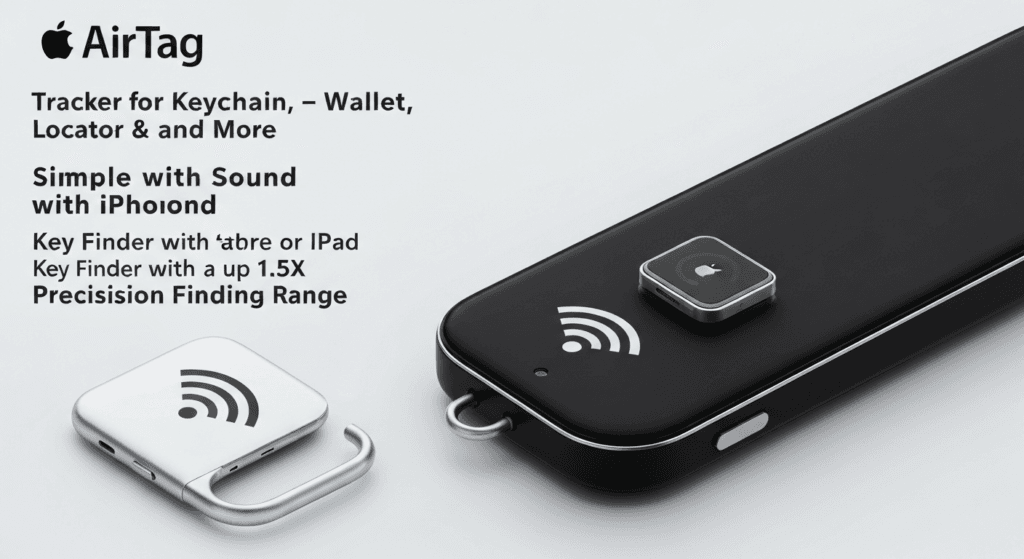
Apple has been quiet about its next-generation tracking architecture, but they just built the ultimate play to secure your physical assets (Save this).
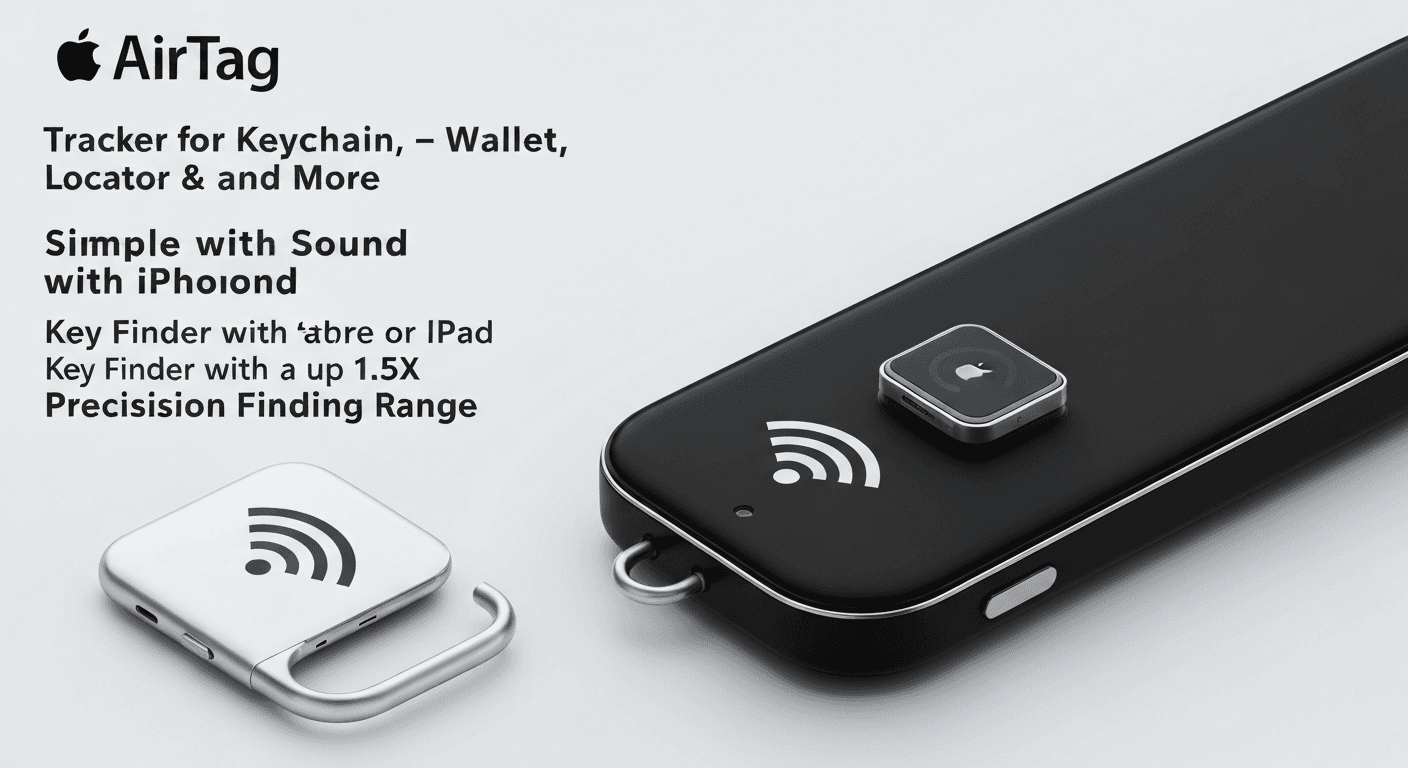
The decentralized tracking network is no longer a novelty; it is a critical security underpinning for the modern professional.
With over a billion active nodes, the Find My network represents the most major deployed tracking grid in human history.
The Apple AirTag (2nd Generation) is the complete expression of this vast network, refined for absolute precision.
The Three-Tier Hardware Stack
To understand its dominance, we must dissect the underlying architecture that makes this tracker work.
1. The Hardware Layer
Ultra-compact assemblies designed to slip seamlessly into keychains, wallets, and travel gear without adding bulk.
2. The Transmission Layer
An upgraded wireless engine delivering up to 1.5X precision finding range compared to legacy models.
3. The Ecosystem Layer
A frictionless, one-tap setup protocol that instantly pairs the device with your iPhone or iPad.
Market Validation
Data shows that asset misplacement costs global consumers billions in lost productivity and replacement fees annually.
This hardware stack represents the best opportunity to hedge against the friction of everyday loss.
Pros & Cons
- Pro: Up to 1.5X precision range improvement for faster local recovery.
- Pro: Deep, native integration with the iOS security ecosystem.
- Pro: Loud, localized sound locator for rapid auditory tracking.
- Con: Locked into the Apple ecosystem for full tracking features.
- Con: Battery requires periodic replacement.
Who is this for?
This setup is engineered for high-mobility professionals, frequent travelers, and anyone managing a high-value physical stack.
It is the ultimate hardware insurance policy for your daily essentials.
Please note: Verify exact technical specifications and battery life metrics directly with the manufacturer prior to purchase.