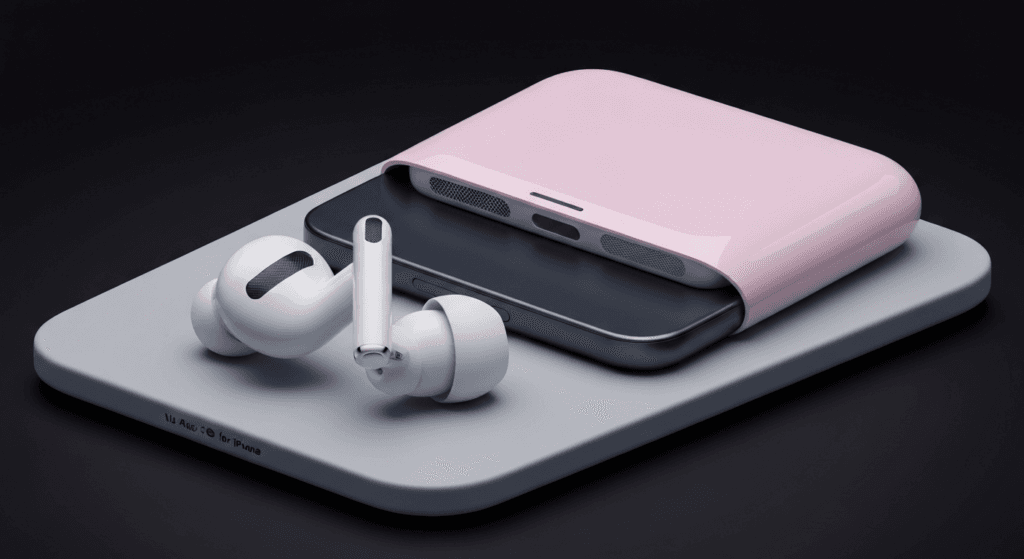
Apple has been quiet about its entry-level audio strategy, but they just built the ultimate play (Save this).
The consumer hardware market is shifting rapidly toward ambient, zero-friction interfaces.
We are witnessing a massive transition where voice and spatial audio become the primary OS layer.
At the center of this structural transition is Apple’s latest hardware deployment.
The Apple AirPods 4 represent a complete expression of integrated engineering.
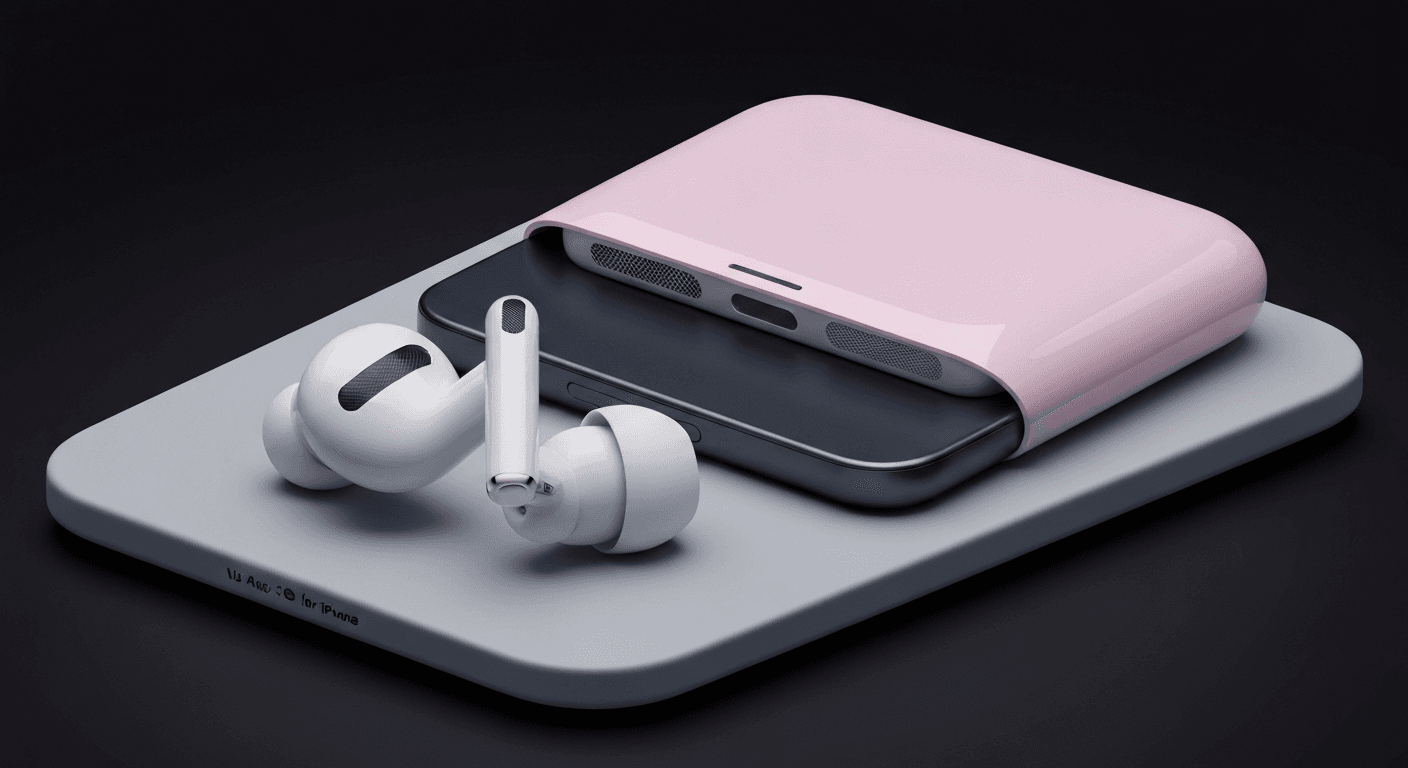
This is not just an incremental update; it is a major deployed asset in their ecosystem defense.
The Multi-Billion Dollar Audio Stack
To understand the value of this product, we must break down its technical architecture into a complete stack of solutions.
1. The Silicon Underpinning Layer
At the base of this stack is the proprietary H2 chip.
This silicon architecture is the underpinning of all computational audio capabilities.
It processes acoustic algorithms in real-time, optimizing sound delivery dynamically based on your unique ear shape.
2. The Acoustic Assembly Layer
The hardware assemblies feature a entirely redesigned acoustic architecture.
By leveraging Personalized Spatial Audio with dynamic head tracking, it transforms flat media into a three-dimensional soundstage.
This represents the best opportunity for users to experience cinema-grade audio in a pocket-sized form factor.
3. The Physical Integration Layer
The physical design features sweat and water-resistant assemblies built for active daily usage.
The charging case has transitioned to USB-C, aligning with global regulatory shifts and streamlining your cable stack.
It delivers up to 30 hours of total battery life, ensuring your connection to the cloud remains unbroken.
4. The Transmission Layer
Wireless connectivity relies on advanced Bluetooth protocols designed for effortless pairing.
The setup sequence with iOS devices is virtually instantaneous, eliminating the friction of traditional wireless pairing.
Pros & Cons
Pros
- The H2 chip delivers industry-leading computational audio processing.
- Personalized Spatial Audio creates an incredibly immersive soundstage.
- USB-C integration simplifies the modern charging stack.
- Effortless integration within the Apple ecosystem.
Cons
- Open-ear design does not offer passive noise isolation.
- Fit optimization depends on individual ear geometry.
Who Is This For?
This hardware stack is designed for mobile professionals who demand seamless device switching.
It is built for fitness enthusiasts requiring sweat-resistant, secure-fitting audio assemblies.
Ultimately, it is for anyone deeply embedded in the Apple ecosystem looking to maximize their workflow efficiency.
Note: Please verify all technical specifications and compatibility details prior to purchase.
The Bottom Line
This is the best opportunity to upgrade your personal audio stack to modern silicon standards.