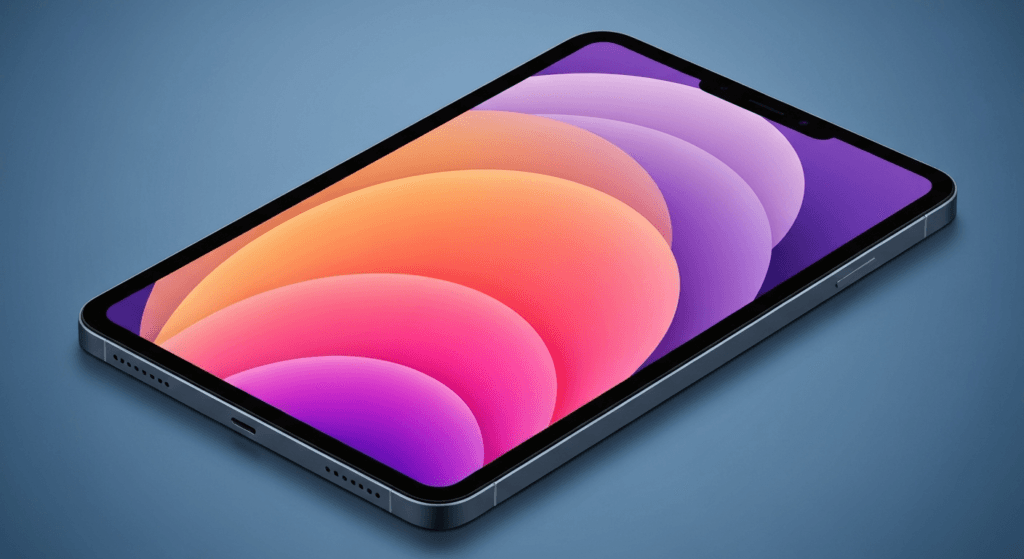
Apple has been quiet about its entry-level silicon optimization, but they just built the ultimate play (Save this).
For years, the market has demanded a device that bridges the gap between casual consumption and high-throughput mobile work.
The new Apple iPad 11-inch is the complete expression of this architectural evolution.
It leverages highly optimized silicon to deliver enterprise-grade performance at a consumer-friendly price point.
This is not just an incremental update; it is a strategic repositioning of Apple’s hardware stack.
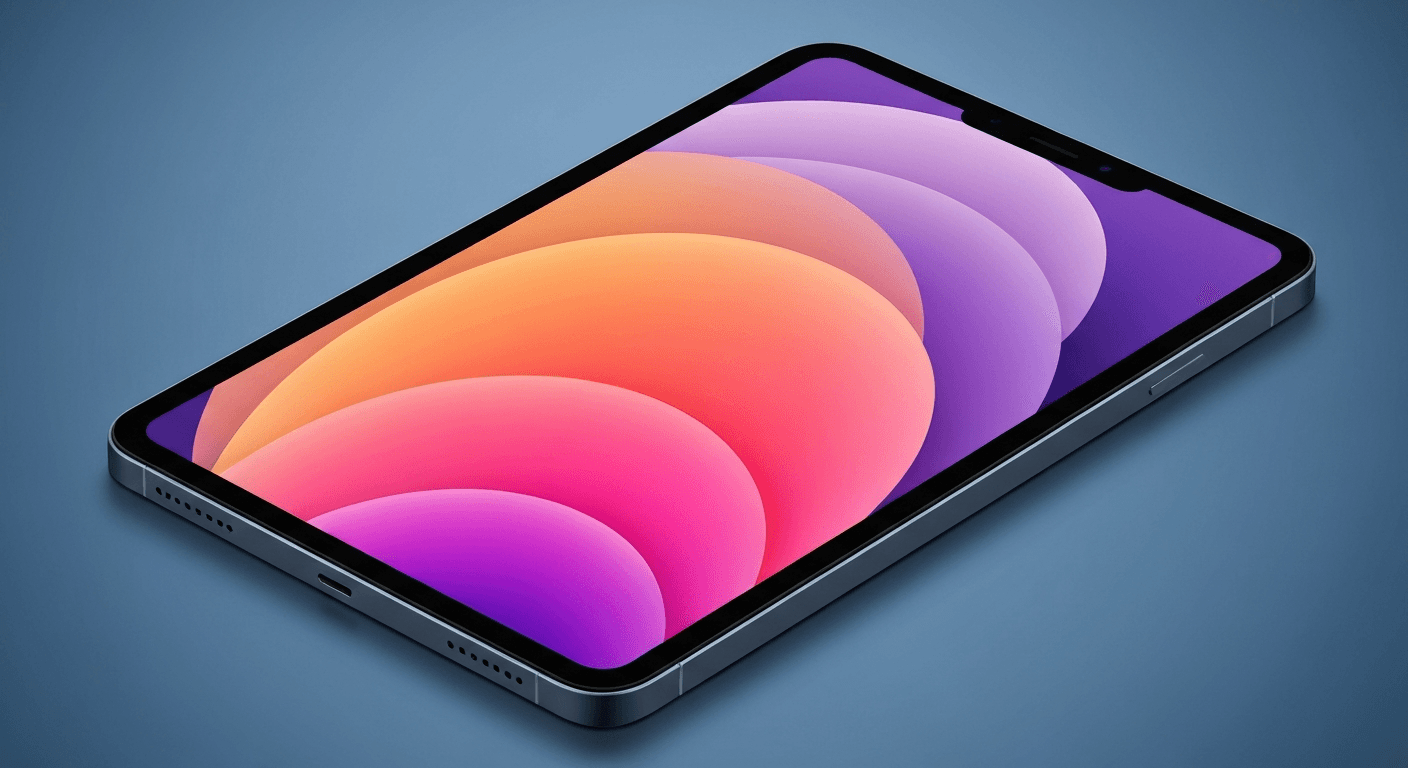
The Market Shift: Why This Architecture is Trending
Silicon Valley venture capital is heavily focused on edge computing and highly mobile worker productivity.
Recent market data indicates a massive surge in demand for lightweight, high-performance hardware assemblies.
The integration of the A16 Bionic chip into the 11-inch form factor is a major deployed upgrade that changes the value calculation.
It provides the best opportunity for users to secure high-end processing without paying the premium for M-series silicon.
The Tech Stack Breakdown
To understand why this device excels, we must analyze it as a complete stack of integrated solutions.
1. The Silicon Layer
The A16 Bionic chip serves as the foundational underpinning of this entire architecture.
It delivers massive computational throughput while maintaining highly efficient thermal dynamics.
2. The Display Layer
The 11-inch Liquid Retina display assembly offers precise color reproduction and ultra-low latency.
It provides the visual fidelity required for both detailed design work and high-density data visualization.
3. The Storage Layer
With a 128GB baseline, this stack provides ample room for local files, cached assets, and critical applications.
4. The Connectivity and Optics Layer
Equipped with Wi-Fi 6, this hardware ensures rapid data transmission across modern network architectures.
The dual 12MP front and back camera assemblies enable crystal-clear telepresence and document digitization.
The Analytical Ledger: Pros & Cons
Every hardware architecture involves deliberate engineering trade-offs.
Pros
- Highly efficient A16 Bionic chip offers elite performance per watt.
- 128GB baseline storage provides a highly functional starting point.
- Liquid Retina display delivers exceptional brightness and clarity.
- Lightweight, mobile-first design optimized for all-day deployment.
Cons
- Does not support advanced M-series features like Stage Manager on external displays.
- Accessories like the Apple Pencil and keyboard must be sourced separately.
The Target Deployment: Who is This For?
This hardware stack is engineered for professionals who require high mobility without sacrificing computational power.
It is the ideal tool for students, digital nomads, and enterprise field teams looking for a reliable, long-lasting endpoint.
If you need a highly efficient machine that handles daily workflows with ease, this is your best opportunity.
Note: Please verify all technical specifications and product details directly on the retail page before finalizing your purchase.