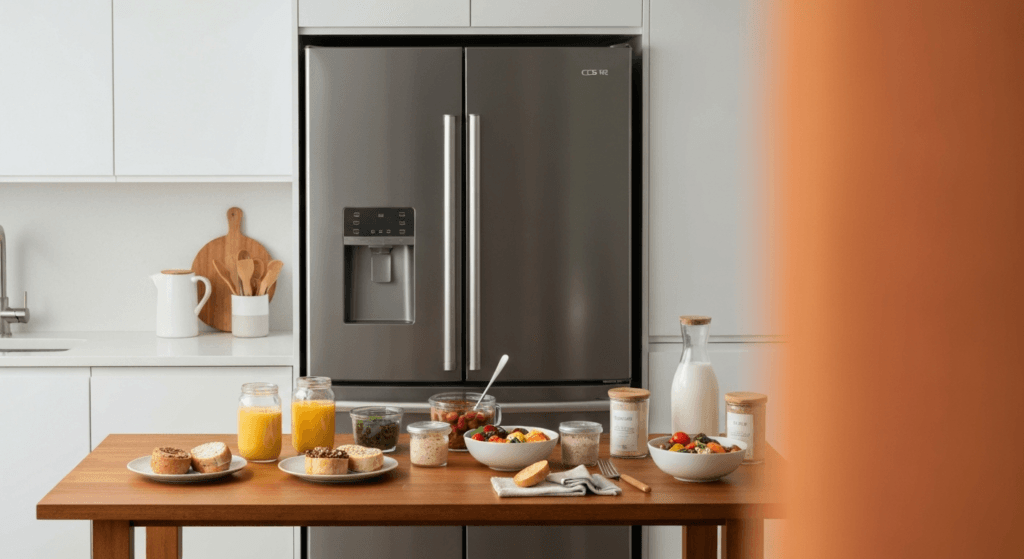
Preparing your breakfast and lunch for the week is one of the most effective ways to save time, reduce daily decision fatigue, and support your healthy eating goals. Whether you are aiming to build better eating habits, manage your routine, or simply avoid the mid-day takeout rush, a structured meal prep plan keeps you on track. In this guide, we will explore how to set up your weekly food prep successfully, what tools make a difference, and how to keep your prepped meals tasting fresh and delicious from Monday to Friday.
Key Takeaways
- Efficiency is Key: Prepping breakfast and lunch simultaneously saves hours of kitchen clean-up time during the busy workweek.
- Texture Protection: Using multi-compartment containers prevents dry foods (like pancake buns) from absorbing moisture from wet foods.
- Nutritional Balance: Focus on pairing high-quality proteins with complex carbohydrates and healthy fats to maintain steady energy levels.
How to Choose the Right Food Prep Tools
The success of your weekly meal prep relies heavily on the gear you use. Investing in the right storage solutions ensures your food stays appetizing and safe to eat. Here is what to look for when shopping for meal prep containers:
- Material Durability: Glass containers are highly recommended because they do not absorb odors or stains, are microwave- and oven-safe, and last for years. If you prefer lightweight options for commuting, look for high-quality, BPA-free plastic or silicone.
- Compartment Design: If you love variety (such as a breakfast sandwich with a side of fruit), multi-compartment containers are essential. They keep different ingredients separated so nothing gets soggy.
- Airtight Seals: Look for leak-proof lids with silicone gaskets and locking latches. This prevents messy spills in your bag and keeps air out, extending the freshness of your meals.
What to Watch Out For
While meal prepping is incredibly convenient, there are a few common pitfalls to keep in mind to ensure your food remains safe and delicious:
- Sogginess & Texture Changes: Foods like pancake buns, bread, or salad greens can lose their texture quickly. Always pack dressings, sauces, and high-moisture items in separate small containers, and assemble them right before eating.
- Food Safety & Cooling: Never seal hot food directly in containers. Let your cooked meals cool to room temperature first to avoid condensation, which can make food soggy and encourage bacterial growth.
- Storage Limits: Most cooked proteins and vegetables stay fresh in the refrigerator for up to 3 to 4 days. If you are prepping for a full 5-day workweek, consider freezing the last two days’ worth of meals or doing a mini-prep session mid-week.
Compartment Glass Meal Prep Containers
These durable glass containers feature multiple compartments and airtight, leak-proof lids, making them the perfect tool to keep your weekly breakfasts and lunches fresh and neatly separated.
- Oven, microwave, freezer, and dishwasher safe
- Stain-resistant and odor-free glass construction
- Airtight snap-locking lids prevent leaks
Pros
- Heavier to carry than plastic alternatives
- Lids must be hand-washed to preserve the silicone seal
Cons
Who Should Consider It
Weekly breakfast and lunch prep is ideal for busy professionals, students, and parents who find themselves short on time during weekdays. It is also perfect for individuals looking to build consistent eating habits, control their portions, or manage their budget by reducing reliance on restaurant meals and takeout.
Who Should Skip It
If you strongly prefer freshly cooked, hot meals straight from the stove every day, pre-made meals might not satisfy your palate. Additionally, those with highly unpredictable schedules who frequently dine out for work meetings or social events may find that prepped meals go to waste.
Simple Habit Tips for Success
Building a meal prep routine takes time. Use these realistic tips to make the habit stick:
- Start Small: You do not have to prep 14 meals on your first try. Start by prepping just breakfast for three days, then gradually build up as you get comfortable.
- Repurpose Ingredients: Cook versatile ingredients that can be used in both breakfast and lunch. For example, roasted sweet potatoes can go into a breakfast hash or a lunch grain bowl.
- Keep a Rotation: Avoid meal fatigue by rotating your recipes. If you prep pancake-bun sandwiches this week, try oatmeal cups or breakfast burritos the next.
Disclaimer: Please consult a qualified healthcare professional or registered dietitian before making major dietary changes, especially if you have underlying medical conditions, are pregnant, or are managing an eating disorder. Always verify ingredients and allergen warnings on product packaging before consumption.
Disclosure: As an Amazon Associate, we earn from qualifying purchases made through links in this post.
The Verdict
Weekly breakfast and lunch prep is an incredibly rewarding habit, and using high-quality compartment glass containers is the best way to keep your meals organized, fresh, and appetizing all week long.