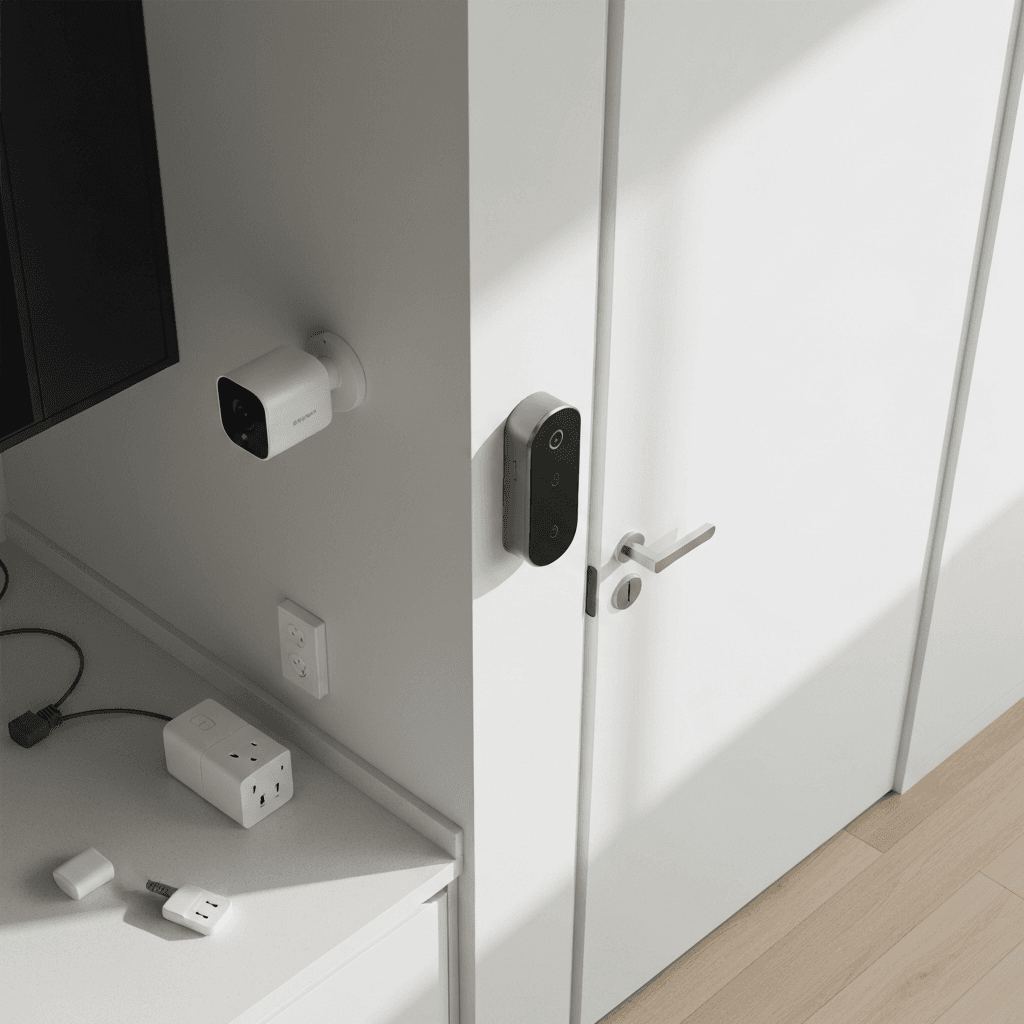
Embarking on the journey to a smarter home is exciting, but for many, the very first question isn’t about features or brands—it’s about cost. “How much does a smart home starter kit actually cost?” is a fundamental concern that can determine whether a project even begins. Understanding the financial commitment upfront helps you plan effectively, avoid unexpected expenses, and ensure your smart home aspirations align with your budget.
The truth is, there’s no single price tag for a smart home starter kit. The cost can vary dramatically based on the depth of automation, the quality of devices, and whether you opt for DIY or professional installation. To help you navigate this landscape, we’ve broken down the costs into three distinct tiers: Budget-Friendly, Mid-Range, and High-End. Each tier offers a different level of functionality and integration, allowing you to find the perfect balance between features and financial outlay for your 2026 smart home setup.
Smart Home Starter Kit Setup Cost: At a Glance
| Setup Level | What’s Included | Estimated Total Cost |
|---|---|---|
| Budget ($200–$500) | A foundational setup with a smart speaker, a few smart plugs, and smart light bulbs. Focuses on convenience and basic automation for a single room or key areas. | $200–$500 |
| Mid-Range ($800–$1,500) | Expands on the budget with a dedicated smart hub, multiple smart speakers, a smart thermostat, smart lighting for several rooms, a smart lock, and a video doorbell. Offers balanced automation and security. | $800–$1,500 |
| High-End ($2,500+) | A comprehensive, integrated system featuring advanced smart hubs, extensive smart lighting, multiple smart locks, indoor/outdoor security cameras, smart blinds, and potentially smart appliances. Often includes professional installation and advanced customization. | $2,500+ |

Budget Setup: $200–$500
The budget-friendly smart home starter kit is perfect for those dipping their toes into home automation without a significant financial commitment. This tier focuses on core conveniences and often leverages existing Wi-Fi networks without needing a dedicated smart home hub.
Looking for the right Home Security Accessories?
If this guide pointed you toward a home security accessories, the easiest next step is to compare the current top-rated and best-selling options. Browse real customer reviews and live prices on Amazon to pick the one that fits your needs and budget.
See Top-Rated Home Security Accessories on Amazon →
As an Amazon Associate we earn from qualifying purchases, at no extra cost to you.
What You Get:
- Smart Speaker: A central voice assistant like an Amazon Echo Dot or Google Nest Mini serves as your primary control point. These devices are surprisingly capable, offering voice control for compatible smart devices, music playback, and answering questions. Expect to pay $30–$60 for a current-generation model.
- Smart Plugs: These simple devices turn any “dumb” appliance into a smart one. Plug in a lamp, coffee maker, or fan, and control it via voice or a smartphone app. A pack of 2-4 smart plugs will cost around $30–$80.
- Smart Light Bulbs: Replace standard bulbs with smart ones to control brightness, color temperature, and even color (depending on the bulb) from your phone or voice assistant. A few Wi-Fi enabled smart bulbs can cost $10–$25 each, totaling $40–$100 for 3-5 bulbs.
- Basic Indoor Camera (Optional): For a touch of security or pet monitoring, a simple Wi-Fi indoor camera can be added for $30–$60.
Trade-offs:
While cost-effective, budget setups often mean relying on individual apps for different devices, which can be less streamlined. Integration might be basic, and you might encounter occasional connectivity issues if your Wi-Fi network isn’t robust. Most devices will connect directly to Wi-Fi, which can sometimes clutter your network. You’ll also likely be limited to basic schedules and routines rather than complex automation scenarios.
Examples:
A typical budget setup might include an Echo Dot, three Kasa Smart Plugs, and four Sengled Smart Wi-Fi LED bulbs. This combination provides voice control over lighting and basic appliances in a main living area or bedroom, offering a taste of smart home convenience without breaking the bank.
Mid-Range Setup: $800–$1,500
The mid-range smart home setup represents the sweet spot for many homeowners. It offers a significant upgrade in functionality, integration, and reliability over a budget system, without reaching the premium costs of high-end installations. This tier often introduces a dedicated smart home hub to unify devices and create more complex automation.
What You Get:
- Smart Hub: A central controller like a Samsung SmartThings Hub, Hubitat Elevation, or an advanced Amazon Echo/Google Nest device (e.g., Echo Show 8, Nest Hub Max) acts as the brain of your smart home. This allows devices from different brands to communicate more effectively and enables more sophisticated routines. Expect to pay $80–$180.
- Multiple Smart Speakers/Displays: Beyond a single speaker, you might add a smart display in the kitchen and another speaker in a bedroom, providing voice control and visual information throughout the home. This could be two Echo Show 5s or a Nest Hub and a Nest Mini, costing $100–$250.
- Smart Thermostat: Devices like the Google Nest Thermostat or Ecobee Lite optimize your home’s heating and cooling, saving energy and providing comfort. These typically cost $120–$200 and often qualify for utility rebates.
- Expanded Smart Lighting: Instead of just a few bulbs, you might include smart switches (for controlling entire light fixtures) or more smart bulbs across several rooms, offering greater control and ambiance. This could involve 6-10 devices, costing $150–$350.
- Smart Plugs: Still useful for existing appliances, you might have 3-5 smart plugs scattered around the house for $45–$100.
- Smart Lock: A keyless entry smart lock for your front door (e.g., August Wi-Fi Smart Lock, Schlage Encode) enhances security and convenience, costing $180–$300.
- Video Doorbell: A Ring Video Doorbell or Google Nest Doorbell provides security and convenience by letting you see and speak to visitors from anywhere. These typically range from $150–$250.
- Indoor Security Camera: A better quality indoor camera with features like pan/tilt or person detection adds to your security network, costing $50–$120.
When the Extra Spend Makes Sense:
The mid-range setup is ideal if you want more than basic convenience. It allows for genuine home automation, where devices work together seamlessly. For example, your smart lock can trigger your lights to turn on when you arrive home, or your thermostat can adjust based on occupancy sensors. The unified control offered by a hub simplifies management and enhances reliability. This tier provides a solid foundation for energy savings, enhanced security, and significant daily convenience.
High-End Setup: $2,500+
A high-end smart home starter kit is for those who desire comprehensive automation, premium devices, and deep integration across their entire living space. This tier often involves professional-grade equipment, extensive customization, and may include professional installation services.
What You Get:
- Advanced Smart Hub/Controller: This could be a robust consumer hub (like a more advanced SmartThings or Apple HomeKit setup) or even a professional-grade system that offers unparalleled integration and control over complex scenarios. These hubs often feature local processing for faster response times. Expect to pay $150–$400 for a consumer hub, or significantly more for professional systems.
- Extensive Smart Displays & Speakers: Multiple smart displays (e.g., Echo Show 10, Nest Hub Max) and premium smart speakers (e.g., Apple HomePod, Sonos with voice assistant) are strategically placed throughout the home, offering rich media experiences and ubiquitous control. This could cost $300–$800.
- Premium Smart Thermostat: Advanced models with zone control capabilities, air quality monitoring, and deeper learning algorithms provide ultimate climate comfort and efficiency, costing $200–$350.
- Comprehensive Smart Lighting: This goes beyond bulbs to include smart switches/dimmers for every room, sophisticated LED strip lighting, and even smart landscape lighting. Systems like Philips Hue or Lutron Caséta offer unparalleled control and ambiance. This category can easily run $400–$1,000+.
- Multiple Smart Locks & Security: Smart locks on all exterior doors and perhaps even interior ones, combined with a full suite of indoor and outdoor security cameras (often with 4K resolution, advanced analytics, and local storage options), a video doorbell with enhanced features, and contact sensors for windows/doors. This entire security package can range from $800–$2,000+.
- Smart Blinds/Shades: Automated window treatments from brands like Lutron or Serena can transform a room, offering privacy, light control, and energy efficiency. These are a significant investment, typically $200–$700 per window, easily adding $600–$2,000 for multiple windows.
- Smart Appliances: While not always part of a “starter kit,” high-end setups might integrate smart ovens, refrigerators, or washing machines that communicate with the rest of your smart home for notifications and remote control. Integration modules or basic smart appliances can add $500–$1,500.
- Professional Installation: For complex wiring, extensive device setup, and seamless integration, professional installation is often included or highly recommended, adding $500–$1,500+ to the total cost.
What Justifies the Premium:
The premium cost of a high-end smart home is justified by several factors: unparalleled convenience, robust security, energy efficiency, and a truly integrated living experience. Devices are often higher quality, more reliable, and offer advanced features not found in lower tiers. Professional installation ensures optimal performance, proper wiring, and expert configuration of complex automation routines. This tier moves beyond mere convenience to create a truly intelligent home that anticipates your needs and enhances your lifestyle.
What Affects the Total Cost?
Beyond the choice of components, several key factors significantly influence the overall cost of your smart home starter kit.
DIY vs Professional Installation
This is arguably the biggest variable in your smart home budget.
- DIY Installation: If you’re comfortable with basic electrical work (like swapping light switches or thermostats), network setup, and following instructions, going DIY can save you hundreds, if not thousands, of dollars. For a budget or mid-range setup, installation costs are essentially $0, save for the value of your own time. Most smart home devices are designed for user-friendly installation.
- Professional Installation: For larger, more complex systems—especially those involving in-wall wiring, multiple integrated systems, or professional-grade equipment—hiring an expert is often recommended. Professional installers ensure devices are correctly configured, integrated, and optimized for your home. Installation costs can range from $200 for a basic setup (e.g., smart thermostat + doorbell) to $1,500+ for a comprehensive whole-home system. Factors like the number of devices, complexity of wiring, and time required will dictate the final price. While an added expense, it provides peace of mind and ensures everything works as intended.
Equipment Costs
The devices themselves constitute the bulk of your expenditure. Prices vary widely based on brand, features, and quality. Here’s a breakdown of typical price ranges for individual components in 2026:
- Smart Speakers/Displays: $30 (Echo Dot/Nest Mini) to $300 (Echo Show 10/Nest Hub Max/HomePod).
- Smart Plugs: $15–$40 each, often cheaper in multi-packs.
- Smart Light Bulbs: $10–$50 each (Wi-Fi direct vs. Zigbee/Z-Wave requiring a hub).
- Smart Switches/Dimmers: $30–$80 each, more for multi-gang or specialized switches.
- Smart Thermostats: $100 (basic smart) to $350 (learning/zoned/premium features).
- Smart Locks: $150 (basic keyless) to $400 (advanced features, premium brands).
- Video Doorbells: $100 (basic wired) to $350 (wireless, 4K, advanced detection).
- Security Cameras (Indoor): $50 (basic Wi-Fi) to $200 (pan/tilt, person detection, local storage).
- Security Cameras (Outdoor): $100 (basic battery) to $350 (wired, 4K, floodlight, AI detection).
- Smart Hubs: $50 (basic) to $200 (advanced, multi-protocol).
- Smart Blinds/Shades: $200–$700+ per window, depending on size and motorization.
- Sensors (door/window, motion, leak): $20–$50 each, often sold in multi-packs.
Ongoing Monthly Costs
While the initial setup is a one-time expense, some smart home devices come with recurring costs:
- Cloud Storage Subscriptions: Many security cameras and video doorbells offer free live viewing but require a paid subscription (typically $3–$10/month per device or $10–$20/month for a plan covering multiple devices) to access recorded video history. This is often crucial for reviewing events.
- Professional Monitoring: If you integrate your smart home security with a professional monitoring service (e.g., SimpliSafe, Ring Alarm Pro, Abode), this can cost $15–$50/month. This service alerts authorities in case of an alarm.
- Advanced Features/Integrations: Some ecosystems or individual devices offer premium features, extended warranties, or enhanced support via a subscription. While less common for starter kits, it’s worth checking.
- Batteries: Many wireless sensors, smart locks, and some cameras are battery-powered. While battery life is often long (6 months to 2 years), you’ll eventually need to replace them. Budget $10–$50 annually for replacements, depending on the number of battery-powered devices.
- Internet Service: A reliable, high-speed internet connection is fundamental to any smart home. While you likely already have this, ensure your plan can handle the increased traffic from multiple smart devices.
Complete Shopping List (Mid-Range Setup)
For those aiming for a balanced and comprehensive smart home experience, here’s a detailed shopping list for a typical mid-range setup, along with estimated 2026 prices:
- Smart Home Hub: Samsung SmartThings Hub V3 or Hubitat Elevation Hub. You can find smart home hubs for $80–$150 — we’ve compared the best options so you can choose with confidence.
- Smart Displays/Speakers (2-3 units): Google Nest Hub (2nd Gen) + 2 Nest Minis OR Amazon Echo Show 8 + 2 Echo Dots. ($100–$250)
- Smart Thermostat: Ecobee Lite or Google Nest Thermostat. ($120–$200)
- Smart Light Bulbs (6-8 units): Philips Hue White & Color Ambiance (requires Hue Bridge if not using SmartThings/Hubitat) or Wi-Fi enabled Kasa/Sengled bulbs. ($100–$250)
- Smart Plugs (3-4 units): TP-Link Kasa Smart Plugs. ($45–$80)
- Smart Lock (Front Door): August Wi-Fi Smart Lock or Schlage Encode Smart Deadbolt. You can find smart locks for $180–$300 — we’ve compared the best options so you can choose with confidence.
- Video Doorbell: Ring Video Doorbell (Wired or 2nd Gen) or Google Nest Doorbell (wired). ($150–$250)
- Indoor Security Camera: Wyze Cam V4 or Eufy Indoor Cam 2K Pan & Tilt. ($50–$100)
- Door/Window Sensors (3-5 units): SmartThings or Aqara Contact Sensors. ($60–$150)
- Motion Sensor (1-2 units): SmartThings or Aqara Motion Sensor. ($30–$70)
Estimated Total for Mid-Range Equipment: $825–$1,630 (excluding potential installation costs).
How to Cut Costs Without Cutting Corners
Building a smart home doesn’t have to break the bank. Here are several practical strategies to save money while still achieving a functional and enjoyable smart home experience:
- Start Small and Expand Gradually: You don’t need to automate your entire home at once. Begin with a single room or focus on one area, like smart lighting or basic security. As you become more comfortable and budget allows, you can add more devices and expand your system. This allows you to learn what you truly need and avoid unnecessary purchases.
- Prioritize DIY Installation: Most smart home starter kit devices are designed for easy self-installation. Swapping a light bulb, plugging in a smart plug, or setting up a video doorbell can typically be done by an average homeowner. By doing the installation yourself, you completely eliminate professional labor costs, which can save you hundreds to over a thousand dollars.
- Look for Bundles and Sales: Retailers often offer starter kits or bundles that combine several devices (e.g., a smart speaker with smart bulbs, or a security camera system with sensors) at a discounted price compared to buying each item separately. Keep an eye out for seasonal sales events like Black Friday, Prime Day, or end-of-year clearances for significant savings.
- Choose Wi-Fi Direct Devices Where Possible: For basic automation, Wi-Fi enabled smart plugs and bulbs don’t require a separate hub, reducing your initial investment. While a hub offers better integration for larger systems, Wi-Fi devices are a cost-effective entry point. Just be mindful of potential Wi-Fi network congestion if you plan to add many devices.
- Leverage Existing Devices: If you already own a smart speaker (like an Echo or Google Home), use it as your initial smart home controller. Many smart plugs and bulbs can connect directly to these devices without needing a dedicated hub, saving you $50-$150 on a hub purchase.
- Consider Refurbished or Open-Box Items: Many reputable retailers and manufacturers sell refurbished or open-box smart home devices at a discount. These items are often fully functional, tested, and come with a warranty. This can be a great way to get higher-end devices for less.
Frequently Asked Questions
Is a smart home hub necessary for a starter kit?
No, a smart home hub is not strictly necessary for a budget starter kit. Many popular smart devices, like smart plugs and Wi-Fi light bulbs, connect directly to your home’s Wi-Fi network and can be controlled via their respective apps or a smart speaker (like an Amazon Echo or Google Nest device). However, a hub becomes highly recommended for mid-range to high-end setups as it improves device compatibility, reliability, and allows for more complex automation routines by unifying different communication protocols (Zigbee, Z-Wave).
Can I use smart home devices without Wi-Fi?
Most smart home devices require a Wi-Fi connection for initial setup, control via smartphone apps, and to access cloud-based features like voice commands or remote access. However, some devices using protocols like Zigbee or Z-Wave, when paired with a local-processing hub, can maintain basic functionality and automation routines even if your internet connection goes down, as long as the hub itself remains powered. Devices that rely solely on Wi-Fi will lose most smart functionality without an active internet connection.
What are the cheapest smart home devices to start with?
The cheapest smart home devices to kickstart your setup are typically smart plugs and basic Wi-Fi smart light bulbs. You can often find smart plugs for $15-$25 each and simple smart bulbs for $10-$20 each. A basic smart speaker like an Echo Dot or Google Nest Mini (around $30-$50) can also serve as an affordable central controller for these devices, making it a very cost-effective entry point.
How long do smart home devices typically last?
The lifespan of smart home devices varies by type and quality. Most well-known brands design their devices to last 3-7 years. Components like smart light bulbs (LEDs) can last significantly longer, often 10-20 years or more under normal use. Devices with moving parts (like smart locks or robot vacuums) or batteries might have a shorter functional lifespan. Software support and security updates are also important; while hardware may last, lack of updates could render a device less useful or secure over time.
Are smart home subscriptions (e.g., for cameras) worth the monthly cost?
Whether smart home subscriptions are worth it depends on your needs. For security cameras and video doorbells, subscriptions typically provide cloud storage for recorded video, person detection, custom activity zones, and longer video history. Without a subscription, you might only get live viewing and basic motion alerts. If you rely on your cameras for crucial security monitoring or want to review past events, the monthly cost ($3-$10 per device or $10-$20 for a multi-device plan) is often justified for the peace of mind and enhanced functionality it provides. For other devices, subscriptions are less common and usually tied to advanced features or professional monitoring services.
===