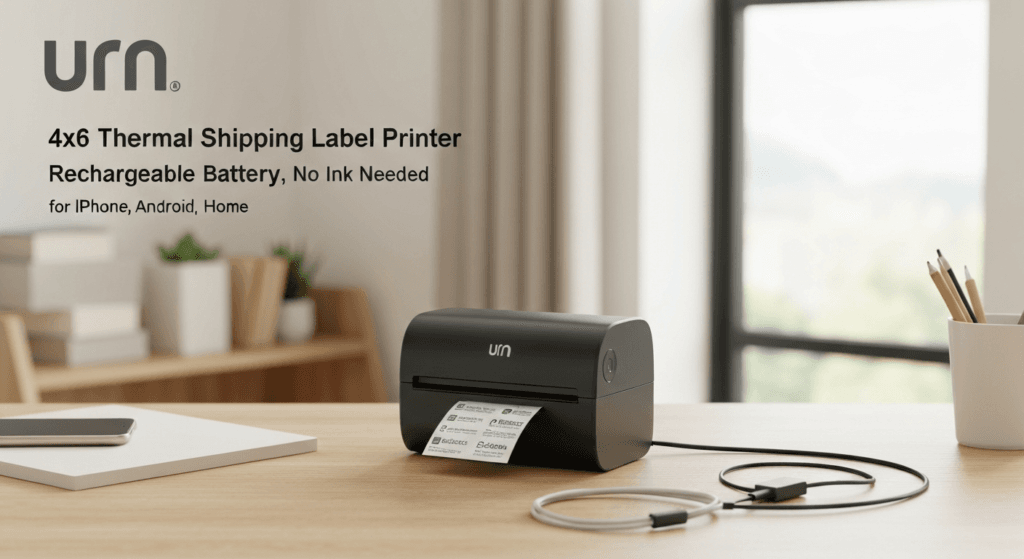
The shipping logistics sector has been quiet about the massive rise of decentralized micro-merchants, but Zeturn just built the ultimate play for home-based fulfillment (Save this).
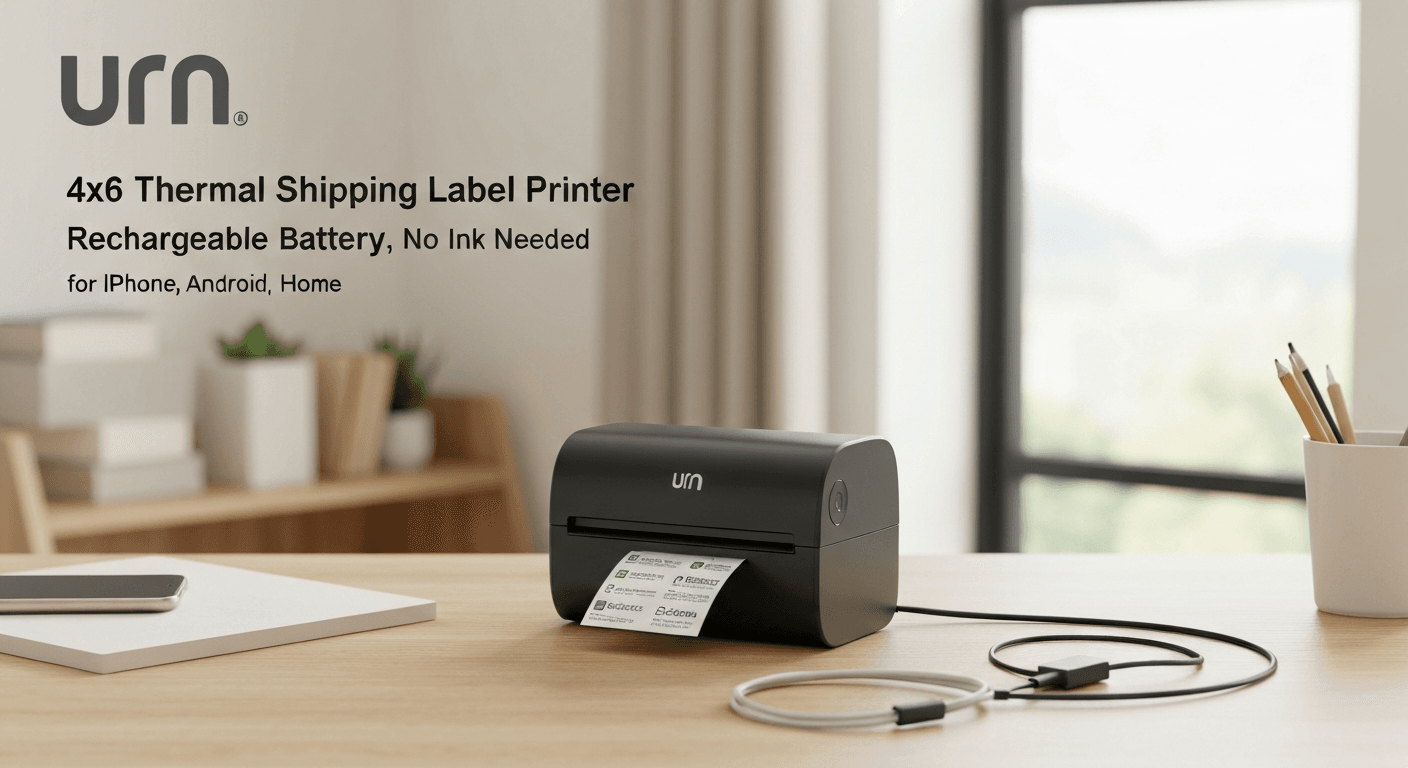
Traditional desktop printing infrastructure has long acted as a bottleneck for scaling independent brands.
The requirement of dedicated power outlets, messy ink cartridges, and tangled USB cords is an outdated architecture.
The Structural Shift in Micro-Logistics
Modern commerce data indicates a massive migration toward flexible, mobile-first operations.
The major deployed systems of yesterday are being replaced by agile, localized assemblies.
The Zeturn 4×6 Thermal Shipping Label Printer is trending on Reddit because it represents a complete expression of this mobility trend.
By integrating Bluetooth connectivity with a high-capacity rechargeable battery, it frees the operator from the physical desk.
The Zeturn Architecture Stack
To understand why this hardware is capturing market share, we must break down its core technical stack.
1. The Power Layer
Underpinned by an internal rechargeable battery, this layer removes the dependency on AC grid connections entirely.
You can print high-volume batches from a warehouse floor, a kitchen table, or the back of a delivery vehicle.
2. The Transmission Layer
The wireless Bluetooth assembly facilitates instant pairing with iOS and Android ecosystems.
This architecture allows you to generate and print labels directly from your smartphone without booting a computer.
3. The Thermal Engine Layer
Utilizing advanced direct thermal technology, this layer requires zero ink, toner, or ribbon assemblies.
It eliminates recurring liquid consumables, dramatically lowering your long-term cost-per-print.
Pros & Cons
Pros
- True wireless mobility powered by an internal rechargeable battery assembly.
- Zero ink overhead costs due to direct thermal architecture.
- Seamless mobile integration across major smartphone operating systems.
- Standard 4×6 output compatible with all major shipping carriers.
Cons
- Battery assemblies require periodic recharging cycles during heavy print runs.
- Initial Bluetooth pairing configuration may require a brief learning curve on older devices.
Who Is This For?
This is the best opportunity for independent e-commerce operators, side-hustlers, and boutique shippers.
If your business model demands agility, speed, and clean operational overhead, this is your infrastructure upgrade.
Please note: Always verify exact battery life specifications and app compatibility with your specific smartphone model before finalizing your deployment.